
Labor and Coalition Moved Closer to Deal on Australian Gambling Restrictions
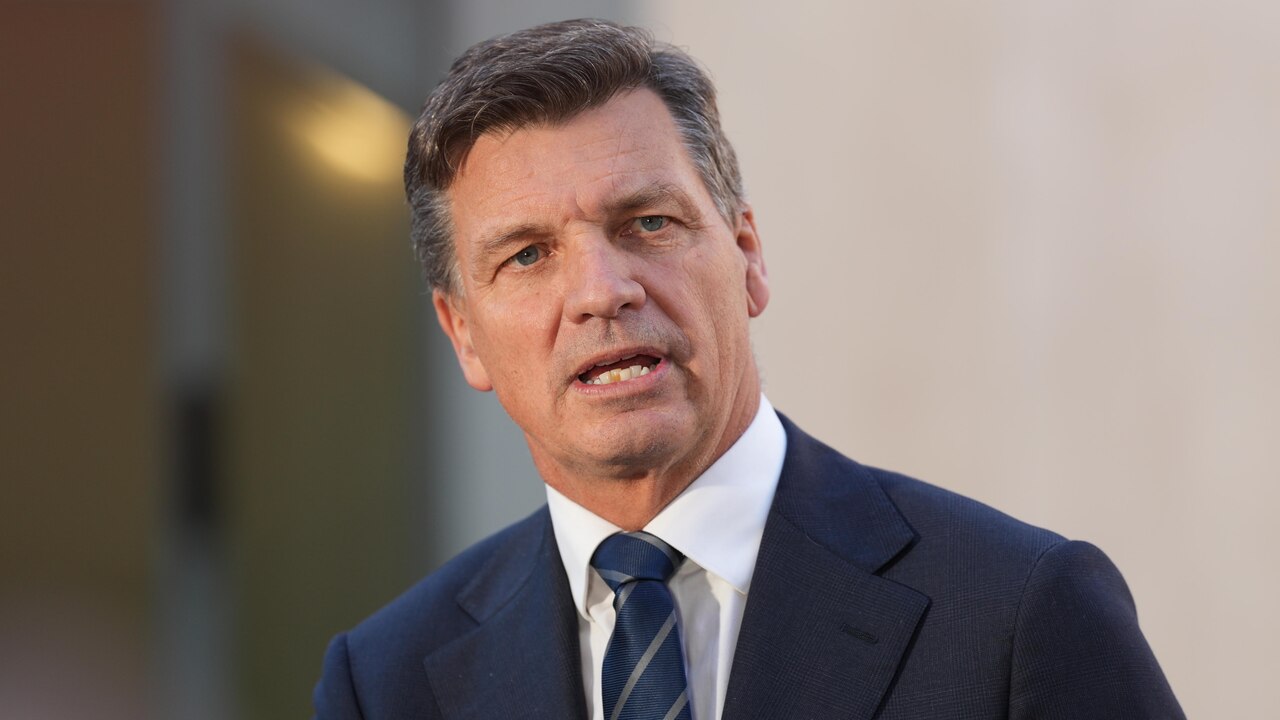
The Albanese government and the federal Coalition moved closer to a compromise on proposed gambling restrictions in August 2026, following a second round of talks between Prime Minister Anthony Albanese and Opposition Leader Angus Taylor.
The discussions centred on targeted protections for vulnerable and high-spending customers, the regulation of wagering advertisements on digital platforms and possible limits on the practices of VIP account managers. A broad ban on all inducements or a complete overhaul of Labor’s bill was not under active consideration at that stage.
Greater scrutiny of VIP incentives
The Coalition sought stronger controls on benefits offered to high rollers rather than a blanket prohibition covering every gambling promotion. The measures under discussion included restrictions on large bonus-bet offers, tickets, travel, accommodation and access to exclusive sporting or racing events.
Negotiators also considered a cooling-off period that would prevent wagering operators from immediately sending promotional offers to people who had recently removed themselves from BetStop, Australia’s national self-exclusion register.
Lower-value promotions commonly marketed to general customers were not the main focus of the Coalition’s proposal. The emphasis was instead placed on offers directed at people considered vulnerable or likely to spend heavily.
Parties considered options for online advertising
Labor’s proposal included a digital advertising system under which gambling promotions could be shown only to logged-in adults who had not opted out. Critics argued that this framework could still expose eligible users to a large volume of wagering advertising.
Streaming services had also raised concerns about the complexity of implementing the proposed safeguards. As an alternative, the Coalition suggested allowing platforms to follow the tighter rules applying to traditional television rather than adopting the full online system.
Under the draft arrangements being discussed, television gambling advertising would be capped at three advertisements per hour between 6am and 8:30pm, with ads prohibited during live sport shown within those hours.
Pressure grew after parliamentary evidence
The negotiations followed a Senate inquiry that examined how wagering companies managed relationships with high-value customers. Evidence presented to the inquiry intensified scrutiny of inducements and the way some VIP account managers were rewarded.
One potential amendment involved stopping account managers from receiving commissions linked to customer losses or gambling activity. Any measure of that kind would not affect every operator, as some major companies had already ended loss-based commission arrangements for VIP staff.
Gambling-harm advocates and several parliamentarians continued to argue that the legislation should go further. Some Coalition members also called for an independent review after implementation so the effectiveness of the restrictions could be assessed.
Coalition approval remained necessary
Although the leader-level talks increased the likelihood of a major-party agreement, any final proposal still required approval from the Coalition party room. Coalition MPs remained divided, with some seeking tougher consumer protections and others warning against excessive regulation.
Labor was aiming to secure Senate passage within the following fortnight. The Greens, meanwhile, criticised the emerging compromise as too limited and continued to press for broader restrictions on gambling advertising and inducements.